Seasonal Demand Management
Your B2C CRM AI agent predicts seasonal patterns months in advance and launches targeted campaigns to fill slow periods. Stop being victim to seasons - start managing them proactively.

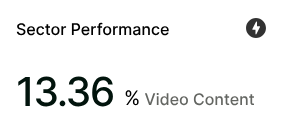
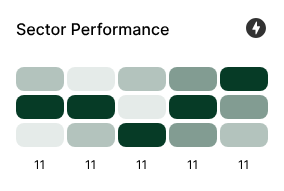
Predict Seasonal Patterns
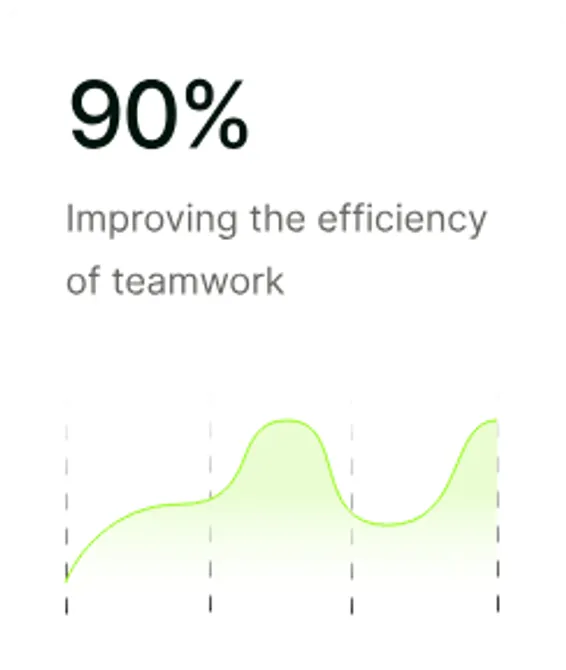
AI analyzes years of data to predict seasonal fluctuations with 90% accuracy - months before they happen.
Automated Demand Generation
Your agent launches targeted campaigns to fill predicted slow periods - automatically optimizing offers and timing.
Reduce Seasonal Revenue Variance
Smooth out revenue fluctuations by 60-80% with proactive seasonal campaigns and dynamic pricing strategies.
What We Offer
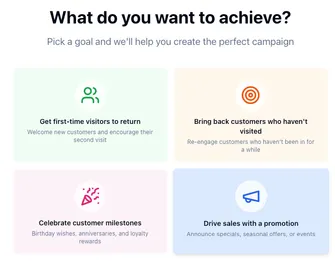
Advanced Seasonal Forecasting
Machine learning analyzes historical data, local events, weather patterns, and economic indicators to predict demand 90 days in advance.
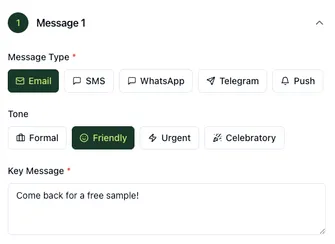
Automatic Campaign Triggering
Pre-emptive campaigns launch 60-30 days before predicted slow periods with offers designed to fill those exact dates.
Dynamic Pricing Optimization
AI adjusts pricing strategies based on predicted demand - higher prices during peaks, strategic offers during valleys.
The Seasonal Rollercoaster
Hospitality businesses face predictable but devastating seasonal patterns:
- Summer resorts: Dead in winter
- Urban restaurants: Empty during holidays
- Beach cafes: Desolate in off-season
- Mountain lodges: Barren during summer
- Event venues: Gaps between peak periods
The Cost: 30-60% revenue variance between peak and off-peak seasons, leading to cash flow crises and staffing instability.
AI-Powered Seasonal Intelligence
Beyond Simple Calendars
Traditional seasonality looks at months and holidays. Your B2C CRM AI agent analyzes:
- Historical patterns: Years of guest behavior data
- Weather correlations: Rain, sun, temperature impacts
- Local events: Concerts, conferences, festivals
- Economic indicators: Travel trends, discretionary spending
- Competitor patterns: What others are doing
- Micro-seasons: Weekly patterns within seasons
Predictive Accuracy Models
Your agent achieves 90% accuracy by analyzing:
- Leading indicators: Early warning signs of demand changes
- Guest lifecycle patterns: How seasonality affects different segments
- Booking window trends: How far in advance guests plan
- Pricing elasticity: How discounts affect seasonal demand
- Channel preferences: Seasonal changes in booking behavior
Proactive Seasonal Campaigns
Pre-Season Campaigns (60-30 days before)
Strategy: Build anticipation and secure bookings early Automated Actions:
- “Book now for [season] and save 15%”
- Early bird special packages
- Calendar integration for planning
- Referral incentives for group bookings
Shoulder Season Optimization (30-0 days before)
Strategy: Extend peak seasons and shorten off-seasons Automated Actions:
- “Last chance for [season] rates”
- Flexible date suggestions
- Multi-night stay incentives
- Package deals with added value
In-Season Maximization (During peak)
Strategy: Maximize revenue during high-demand periods Automated Actions:
- Premium pricing for peak dates
- Minimum stay requirements
- Upgrade opportunities
- Additional services promotion
Off-Season Recovery (During slow periods)
Strategy: Generate demand during traditional downtimes Automated Actions:
- Aggressive promotions and packages
- Local resident targeting
- Alternative usage ideas
- Maintenance and renovation promotions
Dynamic Pricing Intelligence
Seasonal Pricing Strategies
Your AI agent automatically adjusts:
Peak Season Pricing:
- Premium rates (20-40% above base)
- Minimum stay requirements
- Strict cancellation policies
- Package bundling for value protection
Shoulder Season Pricing:
- Flexible rates (5-15% above base)
- Promotional add-ons
- Extended stay discounts
- Last-minute deal opportunities
Off-Season Pricing:
- Competitive rates (10-30% below base)
- Value-added packages
- Length-of-stay bonuses
- Targeted local promotions
Price Optimization Factors
- Historical demand patterns by date
- Competitor pricing monitoring
- Local events impact assessment
- Weather forecasts and historical impact
- Booking pace and inventory levels
- Guest segment price sensitivity
Event-Driven Seasonal Opportunities
Calendar-Based Campaigns
Your agent identifies and acts on:
- Major holidays: Christmas, Valentine’s, Mother’s Day
- Seasonal changes: First day of summer, fall foliage
- Cultural events: Local festivals, concerts
- Sporting events: Games, tournaments, races
- School schedules: Breaks, graduations, homecoming
Micro-Season Campaigns
Fine-tuned opportunities:
- “Restaurant Week” participation
- “Spa Season” promotions
- “Wedding Season” packages
- “Convention Season” business traveler offers
- “Harvest Season” special menus
Staff Seasonal Optimization
Predictive Staff Scheduling
Your AI agent helps optimize labor costs:
- Forecast-based scheduling: Align staff with predicted demand
- Cross-training recommendations: Prepare staff for seasonal roles
- Seasonal hiring planning: Recruit before peak demand
- Flex staffing pools: Build on-call teams for fluctuations
Performance Seasonality
Track and optimize:
- Seasonal productivity patterns
- Staff utilization by season
- Training windows during slow periods
- Incentive structures for seasonal goals
Real-World Seasonal Success Stories
Beach Resort (Caribbean)
- Challenge: 70% revenue drop during hurricane season
- Solution: AI-predicted shoulder season extension and local resident campaigns
- Results:
- Extended peak season by 6 weeks
- Local resident revenue: +300%
- Off-season occupancy: 25% → 55%
- Annual revenue increase: 22%
Mountain Lodge (Colorado)
- Challenge: Dead during summer months
- Solution: Identified summer micro-seasons and created targeted campaigns
- Results:
- Summer weekends: 15% → 65% occupancy
- Corporate retreat business: +400%
- Wedding season development: 25 weddings/year
- Revenue variance reduction: 60%
Urban Restaurant (Financial District)
- Challenge: Ghost town during weekends and holidays
- Solution: Local resident engagement and tourist attraction campaigns
- Results:
- Weekend revenue: +250%
- Holiday business: +300%
- Tourist percentage: 15% → 40%
- Overall revenue stability: +35%
Measuring Seasonal Management Success
Key Performance Indicators
- Seasonal revenue variance (target: <20%)
- Occupancy consistency across seasons
- Pricing effectiveness by season
- Campaign ROI by seasonal initiative
- Staff utilization efficiency
Advanced Analytics
- Predictive accuracy vs actual results
- Seasonal migration patterns (when seasons shift)
- Competitive seasonal positioning
- Weather impact quantification
Implementation Timeline
Month 1: Data Collection
- Gather 2+ years of historical data
- Identify existing seasonal patterns
- Establish baseline metrics
- Configure predictive models
Month 2: Campaign Setup
- Create seasonal campaign templates
- Set automated triggers
- Test with upcoming seasonal period
- Train staff on new processes
Month 3: Full Launch
- Launch all seasonal strategies
- Monitor early results
- Optimize based on performance
- Scale successful tactics
Months 4-6: Refinement
- Analyze predictive accuracy
- Refine campaign timing and offers
- Expand to additional seasonal opportunities
- Integrate with operational systems
Stop Seasonal Revenue Volatility
Seasonal fluctuations don’t have to devastate your business. Your B2C CRM AI agent:
- Predicts seasonal demand with high accuracy
- Prepares campaigns months in advance
- Optimizes pricing for maximum revenue
- Fills slow periods with targeted offers
- Smooths revenue throughout the year
Transform from seasonal victim to seasonal master.
[Book Your Seasonal Management Demo]
Why it matters
Caramel turns connected customer data into coordinated journeys across WhatsApp, email and push — while your existing CRM remains the system of record.
Ready to get started?
Fill out the form below to discover how Caramel can help your business.
Customer Data Import
Import customer data from various platforms and your POS system to finally own your customer relationships
- One-click import from booking and reservation platforms
- POS system integration for transaction data
- Automatic customer profile enrichment

Smart Campaign Automation
Set up birthday campaigns, win-back sequences, and VIP rewards that run automatically
- Birthday & anniversary campaigns
- Win-back sequences for lapsed customers
- VIP tier rewards and recognition

Built-in Forms & Lead Capture
Built-in forms and QR codes capture first-party leads straight into the CRM you already use
- Embeddable forms & QR codes
- First-party lead capture
- Auto-sync to your CRM (HubSpot, Bitrix24)

Questions before you book a demo
Stop Paying Commissions. Start Building Relationships.
Join forward-thinking businesses reclaiming their customer data from third-party platforms. Build direct connections, increase loyalty, and keep 100% of your revenue.